
About us
A Trusted Voice and Hand for Injured Wildlife
LAKE ROADS WILDLIFE REHAB is a specialized, non-profit organization established in the heart of Glenfield, NY, operating with the singular goal of intervening on behalf of injured, sick, or orphaned native wildlife, providing them with the necessary medical treatment and extensive rehabilitation required for a return to the wild. Our organization functions as a sanctuary of healing, founded on the principle that humans have an ethical responsibility to mitigate the harm caused by human encroachment and environmental impact on wildlife populations. This commitment requires more than just first aid; it demands state-of-the-art veterinary triage, specialized dietary plans tailored to each species’ natural needs, and carefully managed transition habitats designed to minimize human imprinting and maximize survival instincts. We operate under stringent licensing from both New York State DEC and the U.S. Fish and Wildlife Service, adhering to all federal and state regulations governing the capture, care, and release of protected species, ensuring that our operations are both legally compliant and ethically sound in every interaction with our patients. Our facilities are purpose-built to house a diverse range of North American fauna, from delicate songbirds and raptors to white-tailed deer and black bears, all with dedicated spaces that facilitate their recovery while maintaining the necessary distance and stress reduction essential for successful wild re-entry.
Our Philosophy
Integrating Science, Ethics, and Education in Every Patient’s Journey
Our educational philosophy is fundamentally rooted in the dual pillars of compassionate care and scientific rigor, driving every decision we make from the moment a patient arrives until the day of its release. We believe that true wildlife rehabilitation is an inherently educational process, not just for the public, but for our team, as we constantly adapt our methodologies based on the latest advancements in veterinary science, behavioral ecology, and conservation medicine. We maintain an open, transparent educational approach, utilizing non-releasable ambassador animals to illustrate the causes of injury, the recovery process, and the critical importance of human behavior changes in preventing future conflicts, thereby transforming every rescue story into a valuable public lesson on coexisting with nature. This philosophy extends internally through mandatory, continuous training for all staff and volunteers, focusing on species-specific handling techniques, disease recognition, and the critical assessment of wild fitness, ensuring a unified standard of excellence in patient care. Ultimately, our deepest educational goal is to empower the public with the knowledge and tools necessary to become effective stewards of the environment, recognizing that the long-term protection of wildlife depends on informed community action and responsible citizenship, transcending simple rescue to foster a lasting culture of conservation awareness.
Our Story
From a Small Sanctuary to a Regional Lifeline
The story of LAKE ROADS WILDLIFE REHAB began not in a formal institution, but in the profound realization that the rapid expansion of human activity in the North Country was creating an increasing number of conflicts and catastrophes for native fauna, leaving a critical gap in professional, dedicated emergency response and long-term care. Our founders, a small group of local conservationists and licensed animal caregivers, initially began their work on a small, private property along North Chases Lake Road, responding to calls in their personal vehicles and funding initial care out of pocket, driven solely by an unshakeable belief in the value of every wild life. This early, dedicated effort focused primarily on small mammals and common avian species, operating with makeshift, yet deeply compassionate, facilities, but the sheer volume of incoming patients quickly demonstrated the urgent need for a more formal, structured, and expansive organization to handle the region’s growing demands. The foundational years were characterized by ceaseless learning, resourcefulness, and the development of core ethical protocols, transforming a deeply felt personal mission into the structured and regulated organization that now serves as a trusted regional resource for wildlife crisis intervention and professional rehabilitation services.
What We Do
Bridging the Gap Between Emergency and Full Recovery
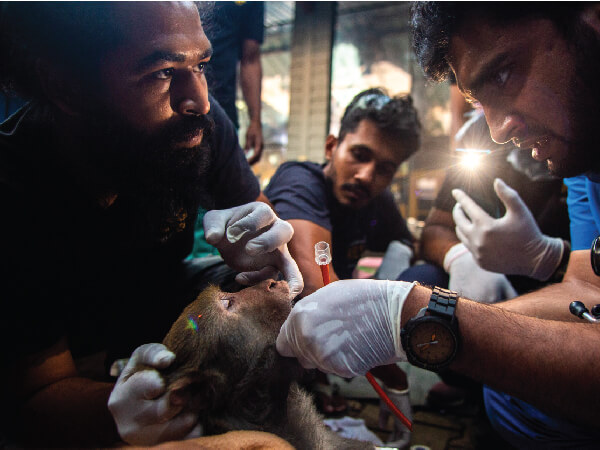
Our core operation involves a structured, multi-phase process designed to maximize the chances of a patient’s successful return to the wild, beginning the moment we receive the initial call and extending far past the animal’s physical recovery. This comprehensive program starts with an immediate, compassionate, and thorough triage process upon arrival, where our specialized veterinary team assesses the extent of injuries, administers necessary emergency treatments, and establishes a provisional care plan, often involving x-rays, fluid therapy, and complex wound management, which is essential to stabilizing the patient within the critical first 24 hours. Following stabilization, the animal enters the intensive care phase, receiving specialized diets and medication while being housed in meticulously designed enclosures that minimize stress and promote healing, all while the patient’s progress is tracked using detailed medical records to ensure compliance with rehabilitation goals. The program transitions into the pre-release conditioning phase, the most critical element of our work, where animals are moved to large, naturalized habitats designed to encourage natural behaviors like flying, hunting, and foraging, all in preparation for the final, monitored release back into a carefully vetted, suitable wild habitat.
A Day in the Life
Meticulous Attention to Detail Fuels Every Hour of Rehabilitation
The daily activities at LAKE ROADS WILDLIFE REHAB are governed by a strict, species-specific schedule that ensures every patient receives consistent, high-quality care while minimizing unnecessary human interaction to prevent habituation, operating 365 days a year regardless of weather or holiday. A typical day begins before dawn with medical rounds, where rehabilitators check vitals, administer medications, and clean all intensive care units with surgical precision, followed by the preparation and distribution of hundreds of individualized dietary meals, often involving complex preparation of natural food items tailored to the exact nutritional needs of recovering animals, which can range from insectivores to carnivores. The mid-day hours are dedicated to detailed observation of patient behavior in the conditioning enclosures, where staff monitor flight patterns, hunting instincts, and social interactions, making necessary adjustments to environmental enrichment and ensuring that the animals are exhibiting the crucial wild behaviors necessary for release, often utilizing remote cameras and minimal-contact techniques to maintain separation. The afternoon concludes with a comprehensive facility cleaning, supply restock, and data entry, logging every treatment, feeding, and behavioral note into a central database, a meticulous process that ensures continuity of care and provides invaluable data for long-term rehabilitation research and outcome assessment, solidifying our commitment to both ethical practice and scientific contribution.