
Our work
Education & Conservation Learning
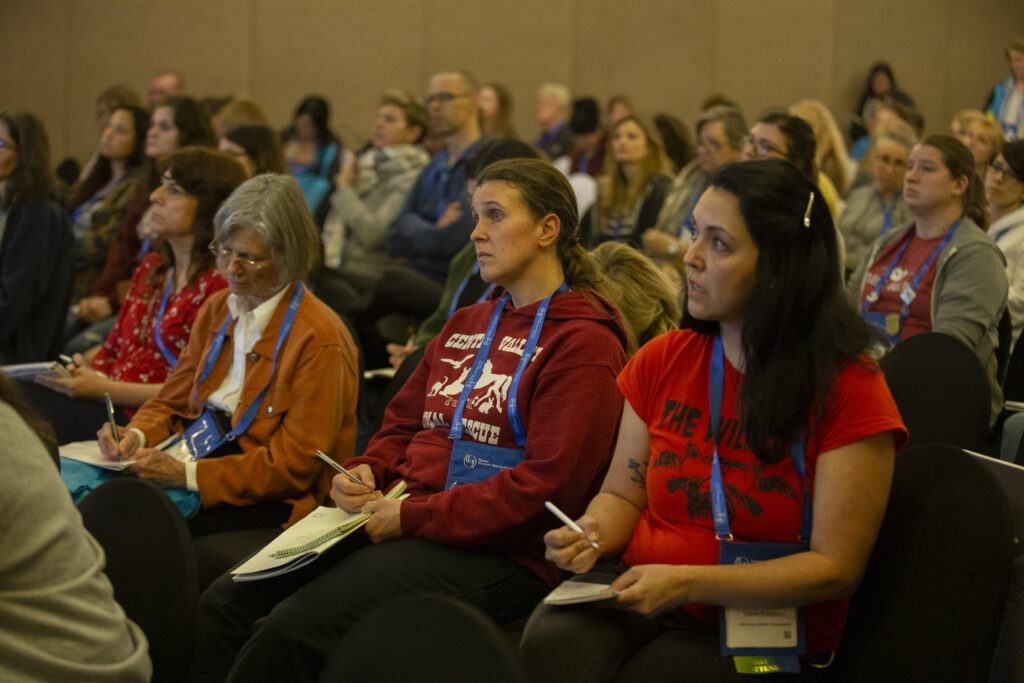
Our work in Education and Conservation Learning is a proactive measure that complements our reactive rehabilitation efforts, serving as a critical preventative step by equipping the public with the knowledge necessary to reduce human-wildlife conflict, which is the root cause of the majority of injuries we treat. We understand that accidental encounters and misunderstandings of wildlife behavior are frequent, and through targeted educational programs—delivered via online resources, community workshops, and interactive sessions featuring our non-releasable Animal Ambassadors—we seek to demystify wildlife interactions and provide actionable, humane solutions for coexisting safely and respectfully. This curriculum focuses on essential topics such as distinguishing between truly orphaned animals and those temporarily left by parents, proper procedures for injured animal rescue and transport, understanding local wildlife habitats, and implementing responsible practices like securing trash and managing domestic pets, all designed to foster a sense of shared responsibility for local fauna. This extensive learning framework ensures that our influence extends far beyond the walls of the rehab center, cultivating a well-informed, proactive community that acts as the first line of defense for wildlife, ensuring long-term conservation success through informed citizen advocacy and responsible behavior changes.
Rehabilitation & Behavioral Conditioning
The Intensive Process of Restoring Wild Instincts
The core of Our Work is the intensive, multi-phase process of Rehabilitation and Behavioral Conditioning, a rigorous program designed not just to mend broken bones but to fully restore the complex mental and physical attributes essential for independent survival in the wild, utilizing specialized enclosures and expert observation. Following initial medical clearance, patients enter large, species-appropriate conditioning habitats—such as our soaring flight cages for raptors or large, naturalistic enclosures for mammals—where staff implement carefully designed environmental enrichment protocols that force the animal to re-engage natural instincts, like foraging for hidden food, maneuvering complex terrains, or demonstrating powerful, sustained flight. Crucially, this stage is characterized by our strict anti-habituation policy: all human interaction is minimized, often conducted only through visual barriers or remote observation, ensuring that the animal develops a healthy, life-saving fear of humans and retains its natural wild temperament, which is the single most important predictor of survival post-release. This meticulous conditioning, which can last weeks or months depending on the species and injury, culminates in a thorough pre-release evaluation by our veterinary and rehabilitation staff, confirming that the patient exhibits the necessary physical endurance, hunting competence, and natural avoidance behaviors required to thrive once returned to the freedom of their native environment.
Rescue & Triage Protocols
Swift, Ethical Intervention and Advanced Emergency Care
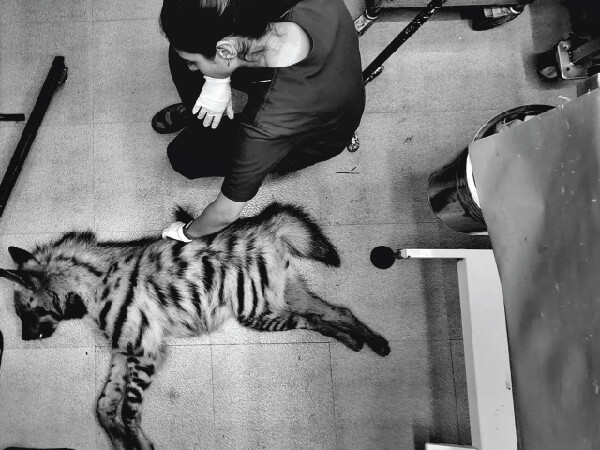
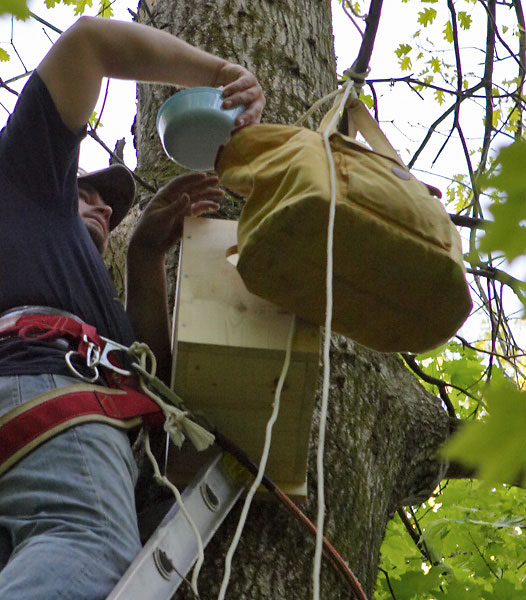
Our initial work phase, Rescue and Triage, represents the critical, time-sensitive intervention that often determines the survivability of an injured animal, relying on a network of trained volunteers and professional staff to ensure the safe, ethical, and expedient transport of patients to our medical facility. The Rescue process involves detailed coordination with the public and local agencies, providing clear, crucial instructions to ensure the animal is handled safely and stress-free by the finder, followed by our rapid deployment of trained transport volunteers who are equipped to secure the patient and minimize trauma during the journey, adhering to strict protocols to reduce shock and further injury. Upon arrival, the Triage phase begins immediately, led by our veterinary team, which performs a comprehensive physical and psychological assessment, administers life-saving emergency medical interventions—including pain management, shock treatment, wound cleaning, and diagnostic imaging like X-rays—to stabilize the patient and formulate an initial, evidence-based prognosis and care plan. This swift, advanced emergency care, coupled with the meticulous recording of injury details and rescue circumstances, is fundamental to providing a strong foundation for the animal’s lengthy recovery journey, ensuring that every second counts in the effort to save a wild life.
Programs/Services
Expert Care Tailored to Avian, Mammalian, and Reptilian Needs
Our primary service is the provision of high-level, species-specific rehabilitation, offering specialized facilities and care protocols that cater to the unique physiological, dietary, and behavioral requirements of the three major wildlife groups native to the North Country: Avian, Mammalian, and Reptilian patients, ensuring optimal recovery for each. Avian Services focus extensively on fracture repair, flight conditioning, and feather management, utilizing large, specialized flight cages and carefully calculated dietary regimes necessary to rebuild muscle mass and wing integrity in raptors, waterfowl, and songbirds, with protocols designed to minimize imprinting and ensure powerful, sustained flight upon release. Mammalian Services are characterized by intensive anti-habituation measures, focusing heavily on specialized nursery care for orphaned young (like fawns, raccoons, and squirrels) that requires constant monitoring but minimal human interaction, alongside large, complex enclosures that stimulate natural foraging, climbing, and predator-avoidance behaviors for recovering adults. Reptilian Services, while less frequent, involve precise temperature and humidity control, specialized lighting, and tailored diets to treat cold-stunned turtles, injured snakes, and other local reptiles, focusing on slow, steady recovery and habitat familiarity before release, guaranteeing that our expertise extends across the full spectrum of local biodiversity.

Community Education and Outreach Curriculum
Cultivating a Network of Deeply Invested Wildlife Guardians
The strength and sustainability of LAKE ROADS WILDLIFE REHAB are fundamentally tied to the deep and consistent involvement of our donor families and community stakeholders, whom we recognize as indispensable partners in our mission, extending their support far beyond simple financial contributions into active advocacy and dedicated resource provision. We strive to cultivate a highly communicative and transparent relationship with our core supporters, providing regular, detailed updates on patient progress, facility needs, and conservation milestones, ensuring that every donor feels a direct, tangible connection to the lifesaving work their generosity makes possible, transforming contributions into meaningful participation in the rehabilitation process. This involvement is formalized through specialized adoption programs, planned giving initiatives, and exclusive educational sessions designed specifically for our consistent supporters, offering them a closer look at the advanced care protocols and the science that underpins our success, fostering a sense of shared ownership in the organization’s mission. By nurturing this deeply invested network, we not only secure the crucial financial stability required for 24/7 emergency operations but also build a powerful, resilient community of informed wildlife guardians whose collective voice and resources amplify our impact across the entire North Country region, ensuring the continuity of our ethical and professional standards for generations.
Testimonials
Voices of Support for Our Mission
“When we discovered a stunned Red-Tailed Hawk in our yard, we were panicked and unsure what to do, but the team at LAKE ROADS WILDLIFE REHAB provided immediate, calm, and professional guidance over the phone, followed by swift coordination for its safe transport. The transparency and kindness they showed throughout the raptor’s two-month recovery were exceptional; receiving weekly updates on its fracture repair and eventual flight conditioning gave us incredible hope and a tangible connection to the outcome. When we were invited to witness the hawk’s release back into a local protected area, it was a genuinely moving and unforgettable experience, a powerful reminder of the incredible dedication, expertise, and resources required to give an animal back its freedom. Their work is a vital community service, and we continue to support them not just for the lives they save, but for the profound conservation ethic they embody and teach.” – Eleanor Vance, Community Donor
“Our organization, the North Country Land Trust, frequently works with LRWR to secure suitable, high-quality habitats for their released patients, and their meticulous approach to site selection and post-release monitoring is what truly sets them apart as a professional partner. Their rehabilitators provide us with critical data on species health and local population dynamics, ensuring that our land management decisions are informed by real-world wildlife outcomes, proving they are fully committed to the long-term ecological success of the animals they treat, not just the short-term release. The level of communication and scientific rigor they bring to the table makes them an indispensable collaborator in our regional conservation strategy, and we are proud to stand alongside their mission to restore and protect native biodiversity in the most ethical and scientifically sound manner possible, knowing that every animal released is fully prepared for wild independence.” – Robert Chen, Local Partner, North Country Land Trust
“I began volunteering with LAKE ROADS WILDLIFE REHAB two years ago, initially just helping with laundry, but quickly moved into patient observation after completing their rigorous training program, and the entire experience has been life-changing, confirming that the organization’s values of compassion and integrity are lived out daily by every staff member. The management is incredibly supportive, providing detailed, step-by-step guidance on complex tasks while trusting volunteers to perform critical duties under supervision, making it a highly rewarding and professional environment where learning and ethical care are paramount. Witnessing the transformation of a severely injured animal, from its fragile intake to the moment it’s cleared for release, is a profound privilege, and the confidence the staff shows in their protocols and the consistent success of their outcomes makes me incredibly proud to contribute my time to such a vital, high-standard operation that is truly giving wildlife a second chance.” – Jessica Morales, Dedicated Volunteer
“As a local small business owner, we look for non-profits whose work is not only impactful but also transparent and ethically sound, and LAKE ROADS WILDLIFE REHAB exceeds all expectations, consistently demonstrating the highest level of fiscal responsibility and dedication to their mission, ensuring every dollar directly supports patient care and facility maintenance. The educational outreach they provide to the community is an added layer of immense value, teaching our employees and customers how to interact safely with wildlife, which elevates the entire community’s environmental awareness and reduces the frequency of preventable injuries. Supporting LRWR is an investment in the health of our local environment and a demonstration of our commitment to the values of stewardship and compassion, knowing that their highly skilled team is always ready to step up and provide lifesaving, expert care for our vulnerable wild neighbors.” – Marcus O’Connell, Corporate Donor & Community Member