
Our mission
The Unwavering Commitment to the Welfare of Wild Neighbors
At LAKE ROADS WILDLIFE REHAB, we are more than just a rehabilitation center; we are a dedicated community focused on the welfare of wildlife, providing exceptional, science-based care for injured and orphaned animals while fostering a deeper appreciation for wildlife conservation across our region. Our mission is fundamentally driven by a profound respect for the inherent value of every native species and the critical role each plays in maintaining a healthy, balanced ecosystem, guiding our actions to ensure that every effort is made to restore these animals to full health and self-sufficiency, giving them the best possible chance to reclaim their wild lives. We achieve this through the tireless efforts of a team of passionate licensed rehabilitators, expert veterinary consultants, and deeply committed volunteers, all united by the common goal of mitigating human-caused harm to wildlife and providing the highest standards of trauma care and rigorous pre-release conditioning. This commitment is continuously reinforced by our robust public education programs, designed to inform the community about responsible interaction with wildlife and the preventable causes of injury, ensuring that our impact is not limited to the animals we treat but extends into fostering a powerful, long-lasting culture of conservation ethics throughout the community we serve.

Vision: Reconnecting Wildlife and Humanity
Our long-term vision for LAKE ROADS WILDLIFE REHAB is to become a nationally recognized model of excellence in ethical wildlife rehabilitation and community-integrated conservation education, leading the way in developing and sharing innovative, evidence-based care protocols that raise the standard across the industry. We envision a future where the number of human-caused wildlife injuries dramatically decreases due to a highly informed and actively engaged community, allowing LRWR to transition more resources toward critical research, preventative conservation initiatives, and proactive habitat protection efforts that secure the long-term viability of local populations. This vision includes the development of a state-of-the-art research wing that collaborates with universities to study the success of released patients, track population health, and understand the ecological impact of our work, thereby contributing invaluable scientific data to the broader field of conservation medicine and wildlife management. Ultimately, we strive for a time when the need for emergency rehabilitation is significantly reduced, signifying a successful societal shift towards respectful cohabitation, where the wild inhabitants of the North Country can thrive, unthreatened by preventable conflicts, and their natural habitats are preserved and protected for generations to come, truly embodying a harmonious balance between human development and ecological integrity.

Values: Compassion, Integrity, and Excellence
The operational framework of LAKE ROADS WILDLIFE REHAB is built upon three foundational core principles: unwavering Compassion, absolute Integrity, and the pursuit of professional Excellence, which collectively dictate the way we treat every animal, interact with our community, and manage our resources. Compassion is the driving force behind our decision to dedicate extensive resources to the recovery of a single life, mandating that all care is delivered with gentleness, respect, and a constant focus on minimizing stress and suffering for the patient, ensuring that ethical considerations always outweigh convenience in every scenario. Integrity governs our transparency in operations, our accurate reporting to regulatory bodies, and our commitment to using all donations responsibly and efficiently, demanding that we make difficult but honest decisions regarding an animal’s prognosis based strictly on its potential for a full, self-sufficient return to the wild, never sacrificing long-term welfare for short-term sentiment. Finally, Excellence requires us to consistently utilize the most advanced veterinary techniques, continuously update our conditioning habitats, and commit to ongoing professional development for all staff, ensuring that the quality of care provided at LRWR is consistently among the highest in the field, making us a credible and trustworthy institution dedicated to the preservation of our natural heritage.

Impact: Sustaining Biodiversity and Educating the Public
The impact of LAKE ROADS WILDLIFE REHAB is measured tangibly in the hundreds of successful patient releases each year, directly sustaining local biodiversity by restoring critical members of the ecosystem, and intangibly in the transformation of public awareness regarding conservation needs and ethical wildlife interaction. By successfully rehabilitating keystone species, raptors, and various protected mammals, we help to stabilize regional populations that might otherwise suffer significant local declines due to accident or human intervention, ensuring the continuation of natural ecological processes like pest control, seed dispersal, and predator-prey dynamics, which are essential for ecosystem health. Beyond the animal releases, our educational impact is profound, reaching thousands of community members annually through workshops, outreach programs, and public events that provide practical knowledge on topics such as avoiding window strikes, safe wildlife viewing, and preventing orphaned scenarios, effectively turning every concerned citizen into a potential agent of preventative conservation. Our work thus creates a powerful ripple effect: we provide an immediate, lifesaving service that preserves individual lives, while simultaneously delivering a critical, long-term educational service that preserves the environmental consciousness of the entire North Country region, ensuring a safer world for both people and wildlife.
Programs/Services
Expert Care Tailored to Avian, Mammalian, and Reptilian Needs
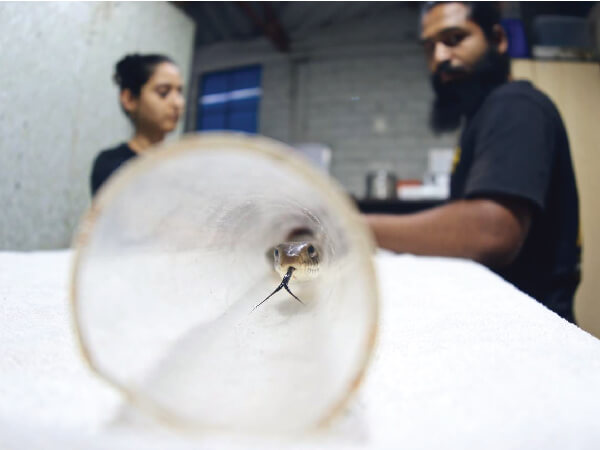
Our primary service is the provision of high-level, species-specific rehabilitation, offering specialized facilities and care protocols that cater to the unique physiological, dietary, and behavioral requirements of the three major wildlife groups native to the North Country: Avian, Mammalian, and Reptilian patients, ensuring optimal recovery for each. Avian Services focus extensively on fracture repair, flight conditioning, and feather management, utilizing large, specialized flight cages and carefully calculated dietary regimes necessary to rebuild muscle mass and wing integrity in raptors, waterfowl, and songbirds, with protocols designed to minimize imprinting and ensure powerful, sustained flight upon release. Mammalian Services are characterized by intensive anti-habituation measures, focusing heavily on specialized nursery care for orphaned young (like fawns, raccoons, and squirrels) that requires constant monitoring but minimal human interaction, alongside large, complex enclosures that stimulate natural foraging, climbing, and predator-avoidance behaviors for recovering adults. Reptilian Services, while less frequent, involve precise temperature and humidity control, specialized lighting, and tailored diets to treat cold-stunned turtles, injured snakes, and other local reptiles, focusing on slow, steady recovery and habitat familiarity before release, guaranteeing that our expertise extends across the full spectrum of local biodiversity.
Frequently Asked Questions
Where Dedication Transforms into a Second Chance for Wildlife
How does LAKE ROADS WILDLIFE REHAB handle the safety and welfare of both the animals and the public during intake and care operations, especially considering the risks associated with injured wild animals?
The safety of our animals, staff, and the public is our paramount concern, which is why we strictly adhere to rigorous safety protocols mandated by state and federal wildlife authorities, ensuring all staff and volunteers undergo mandatory, continuous training in zoonotic disease prevention, humane handling techniques, and emergency response procedures, which are essential when dealing with unpredictable and potentially dangerous injured wildlife. We actively discourage the public from attempting to handle any injured or large animal; instead, we instruct finders to contain the animal safely (if possible and only for small, non-dangerous species) and immediately contact our hotline, allowing our trained rescue and transport team to coordinate the safe, stress-free transfer of the patient to our facility, thereby mitigating risks of injury to the finder and preventing unnecessary stress or improper care for the distressed animal, which is vital for its initial stabilization and successful recovery.
What is the process for deciding if an injured animal can be released back into the wild, and what guarantees are made regarding its long-term survival post-rehabilitation?
The decision to release an animal is the most critical and ethically complex step in the rehabilitation process, and it is governed by an exhaustive assessment conducted by our licensed veterinary and rehabilitation team, adhering to the stringent principle that an animal must be fully self-sufficient and capable of survival without human assistance. This process involves a comprehensive medical review, ensuring complete healing of all injuries and the absence of debilitating conditions, followed by an intensive behavioral conditioning assessment in our large, naturalized habitats to confirm the restoration of critical wild fitness indicators, including successful hunting or foraging skills, powerful flight or mobility, and most importantly, a healthy and appropriate fear of humans, minimizing the risk of habituation. While we cannot guarantee long-term survival, as life in the wild is inherently challenging, we can assure the public that no animal is released unless it meets every stringent requirement for wild fitness, and our post-release monitoring programs, often utilizing tracking technology, continuously inform and validate our protocols to maximize the animal’s chances of a successful and enduring wild life.
If I find an orphaned or injured animal, what is the best protocol for immediate action, and what kind of support does LAKE ROADS WILDLIFE REHAB provide during this initial critical period?
If you encounter what appears to be an injured or truly orphaned wild animal, the absolute best immediate action is to refrain from touching or feeding it, as improper handling can cause further injury, imprint the animal, or pose a safety risk to yourself, and instead you should immediately contact the LRWR hotline or email our emergency line with a clear description of the animal’s location, species (if known), and apparent condition. Upon contact, our experienced intake coordinator will provide crucial, situation-specific guidance, first helping you determine if the animal is truly in distress or if it is a situation where the parent is merely nearby (especially common with deer fawns and rabbits), and if intervention is necessary, they will walk you through the safest possible containment procedure for small, non-dangerous species while simultaneously coordinating the dispatch of a trained transport volunteer to retrieve the patient as quickly and efficiently as possible, ensuring the critical transition to professional care is swift and minimally stressful.
Does your curriculum only focus on the animals you rehabilitate, or do you offer broader environmental education, and what age groups is the educational content primarily geared toward?
Our educational curriculum is intentionally designed to extend far beyond the specific animals currently in our care, using the compelling, real-life rehabilitation stories as powerful, emotionally resonant case studies that lead into broader discussions of conservation, local ecology, and responsible environmental stewardship relevant to the entire North Country region. While the examples of the injured raptor or the orphaned fawn provide a vivid, memorable focal point, the lessons delve into essential topics such as habitat preservation, the ecological role of various species, the importance of minimizing chemical use in yards, and the impact of climate change on local wildlife populations, ensuring a comprehensive understanding of the interconnectedness of nature and human actions. Our outreach programs are highly adaptable, with specialized content and delivery styles tailored to suit a wide audience, ranging from fun, engaging introductory sessions appropriate for elementary school children to detailed, evidence-based workshops designed for adult community members, university students, land managers, and first responders, ensuring our conservation message is effective and accessible across all age groups and professional backgrounds.
How is LAKE ROADS WILDLIFE REHAB primarily funded, and what measures are in place to ensure financial transparency and the ethical use of all monetary donations provided by our dedicated supporters?
LAKE ROADS WILDLIFE REHAB operates as a registered 501(c)(3) non-profit organization, and our critical, lifesaving work is sustained almost entirely by the generosity of private individuals, dedicated corporate sponsors, local community organizations, and the proceeds generated from our annual fundraising events, with very minimal funding received from government sources, making public support absolutely vital to our continuity. We are deeply committed to financial transparency and ethical resource management; all financial records are subject to annual review by an independent accounting firm, and we provide detailed annual reports to our key stakeholders and the public, clearly demonstrating how every dollar is allocated, with the vast majority of funds being directly reinvested into patient care, specialized medical supplies, facility maintenance, and the operational costs associated with our 24/7 emergency response capacity. This transparent approach ensures that donors can be confident that their contributions are used responsibly and effectively to directly support the mission of providing the highest quality veterinary care and rehabilitation to injured and orphaned wildlife, upholding our promise of integrity in all aspects of our organization.
What is the general timeline for a typical rehabilitation case, and what specific post-release activities are undertaken to track the success and impact of the care provided?
The timeline for a rehabilitation case is highly variable and entirely dependent upon the species, the severity of the initial injury, and the patient’s individual response to treatment and conditioning; minor injuries for common species might necessitate a stay of only a few weeks, while complex orthopedic cases in large raptors or mammals often require months of intensive care, followed by an additional period of specialized pre-release conditioning to ensure full fitness. The animal is continuously assessed by our veterinary and rehabilitation staff, and the case moves through the phases of triage, intensive medical care, and behavioral conditioning, with the entire timeline dictated by the animal’s full recovery, which is never rushed for the sake of expediency. Crucially, post-release activities are a fundamental component of our program: for select, appropriate cases (usually migratory birds or larger, easily tracked mammals), we utilize small, harmless radio or GPS telemetry tags for short-term monitoring, allowing us to gather essential data on survivability, dispersal patterns, and habitat utilization, which is invaluable for validating and continuously improving our rehabilitation protocols and contributing meaningful data to the field of wildlife science.